By Our Investigative Desk
In the demanding world of recreational vehicles, where homes on wheels brave everything from blistering deserts to bone-chilling mountain passes, every component faces an extraordinary test. Among the often-overlooked design elements, the humble drawer bottom holds a surprisingly critical role. Far from being a mere flat surface, the “floating bottom” design in RV cabinetry is a sophisticated engineering solution, born from the brutal realities of a moving environment subject to relentless temperature and humidity swings. This report delves into the intricate logic behind this design, exploring how it champions resilience against the relentless forces of nature and motion.
The RV: A Microcosm of Environmental Extremes
To understand the necessity of the floating drawer bottom, one must first grasp the unparalleled stresses an RV endures. Imagine a typical home, then place it on a chassis, subject it to thousands of miles of road vibration, sudden stops, sharp turns, and the constant jostling of an unpaved campsite. This is the “moving earthquake” phenomenon, a continuous assault of dynamic forces that can quickly dismantle conventionally built furniture.
Beyond the mechanical stresses, RVs are climate chameleons. A single journey might take an RV from the high humidity of Florida’s coast to the arid heat of Arizona’s Sonoran Desert, then to the freezing temperatures of a Colorado winter. These rapid and extreme shifts in ambient temperature and relative humidity cause materials, particularly wood and wood-based composites, to constantly expand and contract. Wood, being hygroscopic, readily absorbs and releases moisture, swelling across its grain when wet and shrinking when dry. A typical 12-inch wide solid wood panel can change its width by a quarter-inch or more across a full range of humidity, a seemingly small movement that exerts immense pressure on fixed joints.
Traditional residential furniture, built for stable indoor climates, simply cannot withstand this volatile cocktail of vibration, thermal expansion, and moisture-induced dimensional change. Rigidly fixed drawer bottoms, common in stick-built homes, would quickly warp, crack, or tear themselves free from their housings in an RV, leading to catastrophic failure and disgruntled owners.
The Logic of the Float: Engineering for Endurance
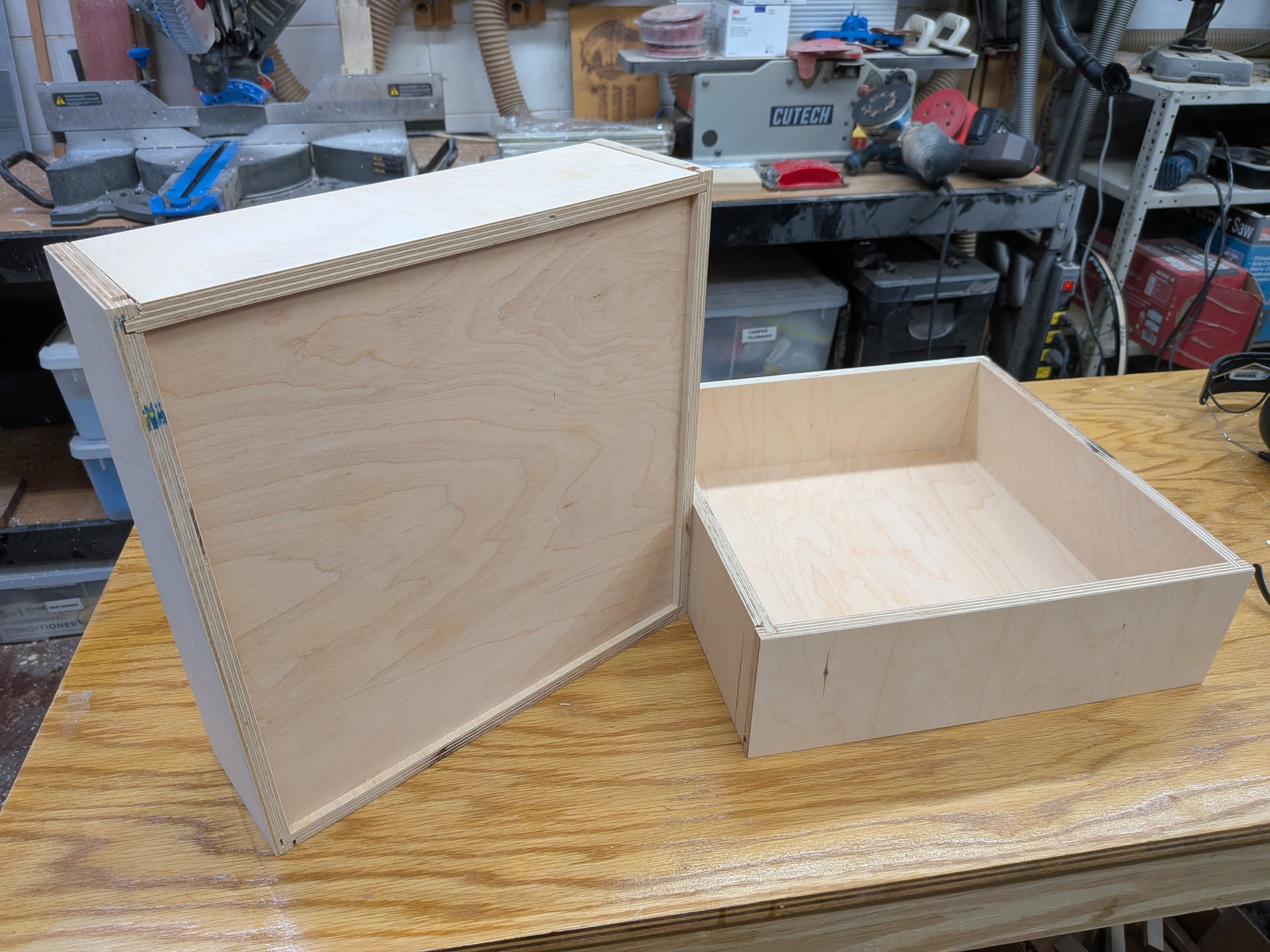
This is where the genius of the floating drawer bottom comes into play. Unlike a fixed bottom that is glued or rigidly fastened on all four sides to the drawer box, a floating bottom is designed to move. It typically consists of a panel, often thinner than the drawer sides, that sits within a dado (groove) routed into the interior faces of the drawer box. Crucially, this panel is not glued or tightly fastened along all its edges. Instead, it’s allowed a small amount of clearance within the grooves, enabling it to expand and contract independently of the surrounding drawer box.
The primary objective of this design is to accommodate the natural movement of materials, especially wood. As the wood drawer sides expand or contract due to changes in humidity, the floating bottom panel can also expand or contract without putting undue stress on the joints. This prevents the panel from buckling, splitting, or forcing the drawer box apart.
“It’s a fundamental principle of woodworking applied to an extreme environment,” explains one seasoned cabinetmaker specializing in RV interiors. “You have to allow for wood movement, or the wood will move regardless, often violently, and destroy itself or its surroundings.” This philosophy is a cornerstone for designers like @RVWoodCraftPro who prioritize longevity and structural integrity.
Best Practices: Navigating Expansion and Contraction
For optimal performance in an RV, the implementation of floating bottoms adheres to specific engineering principles:
-
Material Selection: While solid wood can be used, many RV manufacturers opt for dimensionally stable engineered wood products like high-quality plywood or medium-density fiberboard (MDF) for drawer bottoms. These materials exhibit less movement than solid wood, but still benefit from the floating design due to the extreme conditions. Plywood, with its cross-grain layers, offers superior strength-to-weight ratio and greater stability, making it a preferred choice for many
@RVComponentEngineers. -
Groove Design: The dadoes or grooves must be precisely routed to provide adequate depth and width. The width of the groove is critical; it must be slightly wider than the thickness of the drawer bottom panel to allow for expansion. Typically, the panel is secured at one edge (often the back) to prevent it from rattling excessively or shifting too much, while the other three edges are left free to float within their respective grooves. This subtle anchoring prevents the bottom from becoming too “loose” while still permitting essential movement.
-
Joinery Resilience: The drawer box itself must be robust. Dovetail joints or sturdy dado and rabbet construction are preferred over simpler butt joints, as they offer superior strength against the constant vibration and racking forces present in an RV. Even with a floating bottom, a weak drawer box will fail.
Size, Substance, and the Impact of Contents
The discussion around floating bottoms is significantly impacted by the size of the drawer and the nature of its contents.
-
Drawer Size: Larger drawer bottoms, by virtue of having more material, will experience greater absolute expansion and contraction. For instance, a 24-inch wide drawer bottom will move twice as much as a 12-inch wide one under the same humidity changes. Consequently, the floating design becomes exponentially more critical for larger drawers. A small utility drawer might tolerate a slightly less forgiving design, but a large pantry drawer absolutely demands the flexibility of a floating bottom to survive.
-
Drawer Contents: The weight and dynamic nature of drawer contents introduce another layer of complexity.
- Heavy Contents: Drawers intended for heavy items (e.g., canned goods, tools) require a thicker, stronger bottom panel and deeper, more robust dadoes to prevent sagging or the bottom from falling out under load, especially during travel. While the “floating” aspect addresses lateral movement, the bottom still needs to be structurally sound to bear vertical weight. Some designs might even incorporate a central support or thicker material for heavy-duty applications.
- Dynamic Load: The “moving earthquake” means contents can shift and bang against the drawer bottom, adding impact stress. A well-designed floating bottom must be secure enough within its grooves to prevent it from dislodging due to these internal forces, yet free enough to accommodate material movement. This often involves a delicate balance in the groove tolerance and the initial securing point.
The Balancing Act: Rigidity Meets Flexibility
Ultimately, the floating drawer bottom in an RV represents a sophisticated balancing act. It provides the necessary flexibility to counteract the powerful, often destructive, forces of wood movement and environmental flux, while simultaneously maintaining enough structural integrity to hold contents securely during transit. Leading RV manufacturers and custom cabinetmakers understand that this seemingly minor detail is, in fact, a cornerstone of durability and customer satisfaction. It’s an investment in longevity, ensuring that the drawers remain functional and aesthetically pleasing, mile after challenging mile.
#RVLife #MobileLivingDurability #WoodworkingWisdom #RVDesign
#TravelTrailerTech #CabinetryEngineering #HomeOnWheels #MaterialScience
#RVMaintenance #DIYRV #AdventureRig #DurabilityMatters
yakyak:{“make”: “gemini”, “model”: “gemini-2.5-flash”}