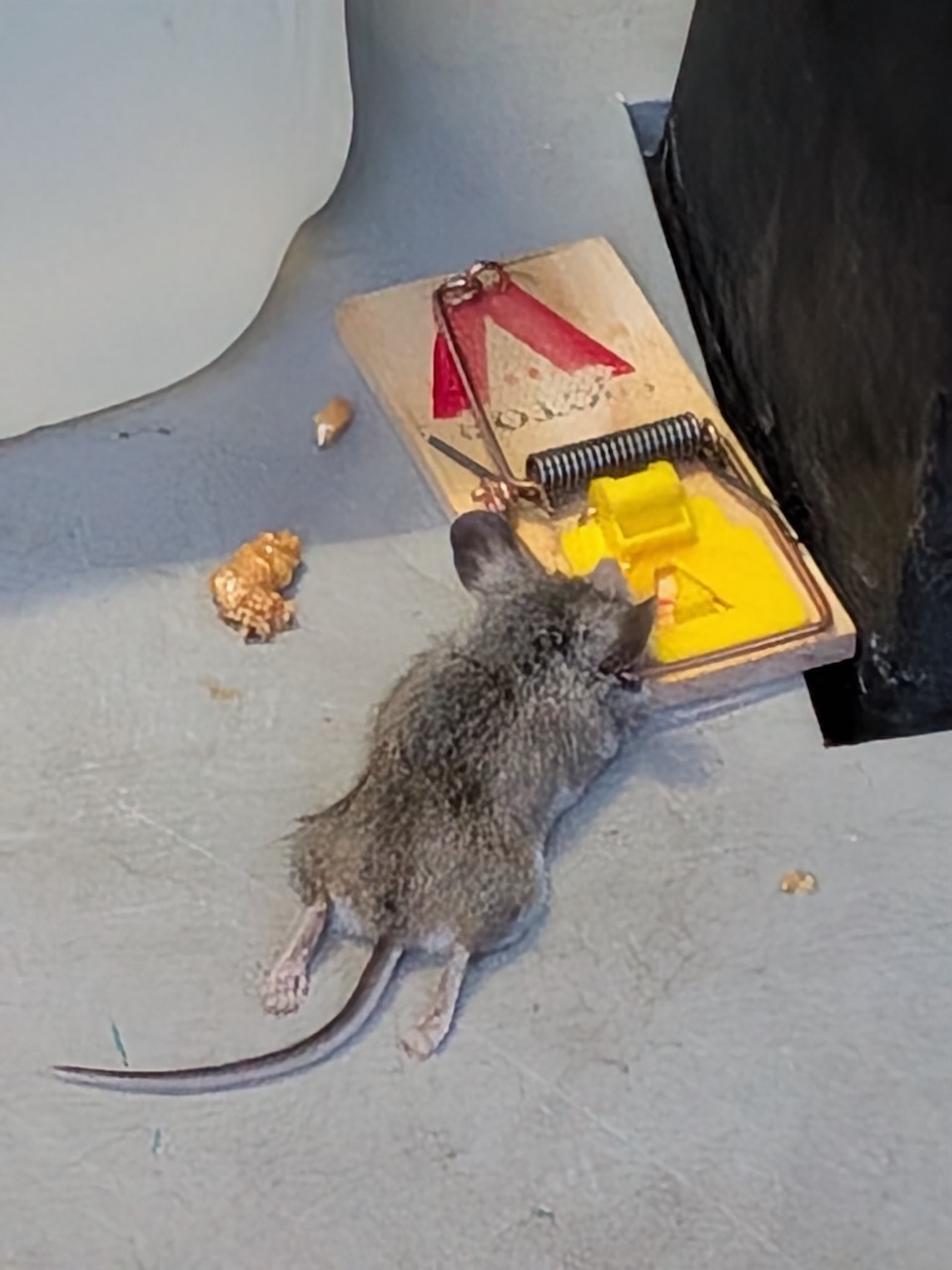
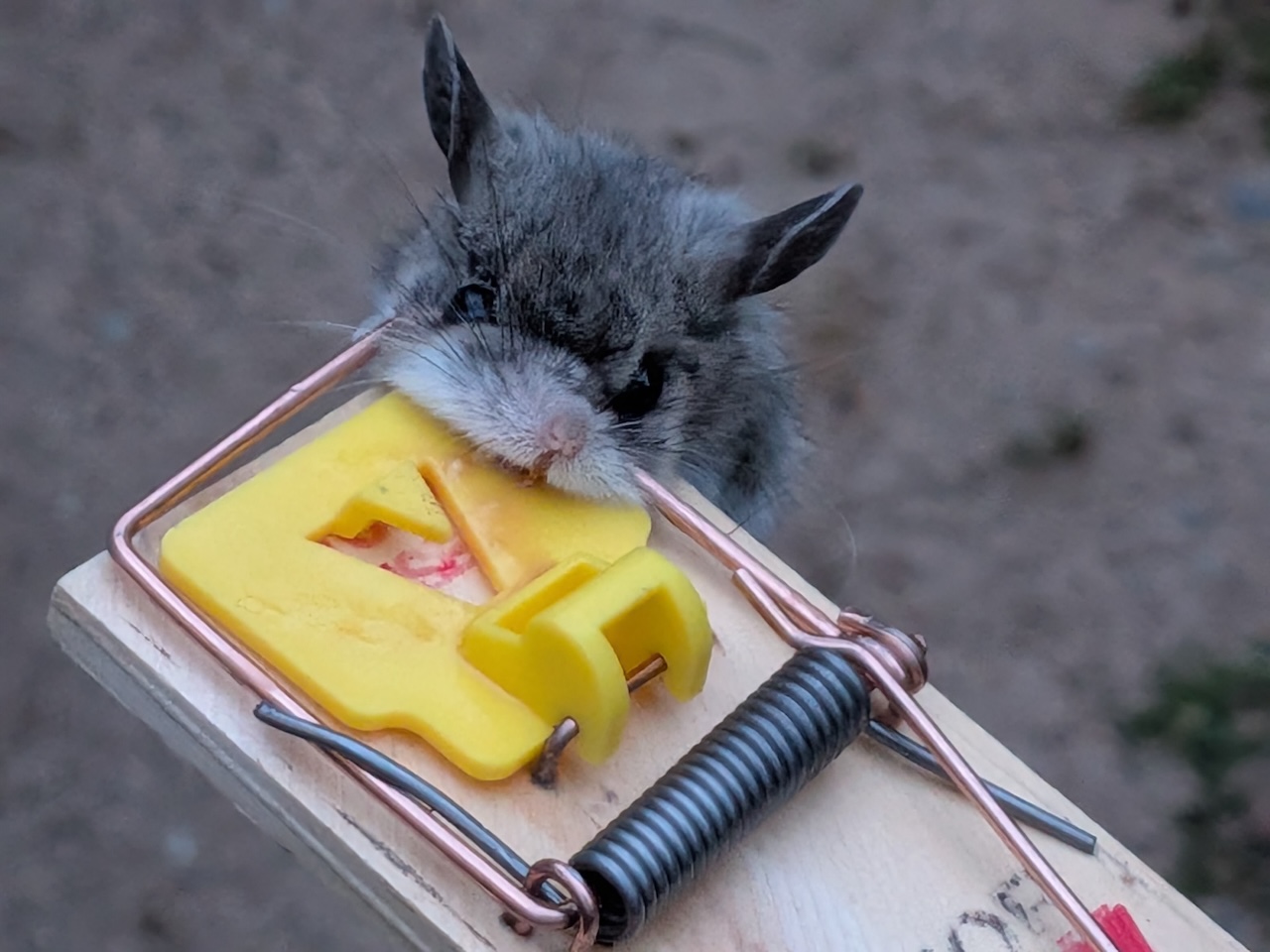
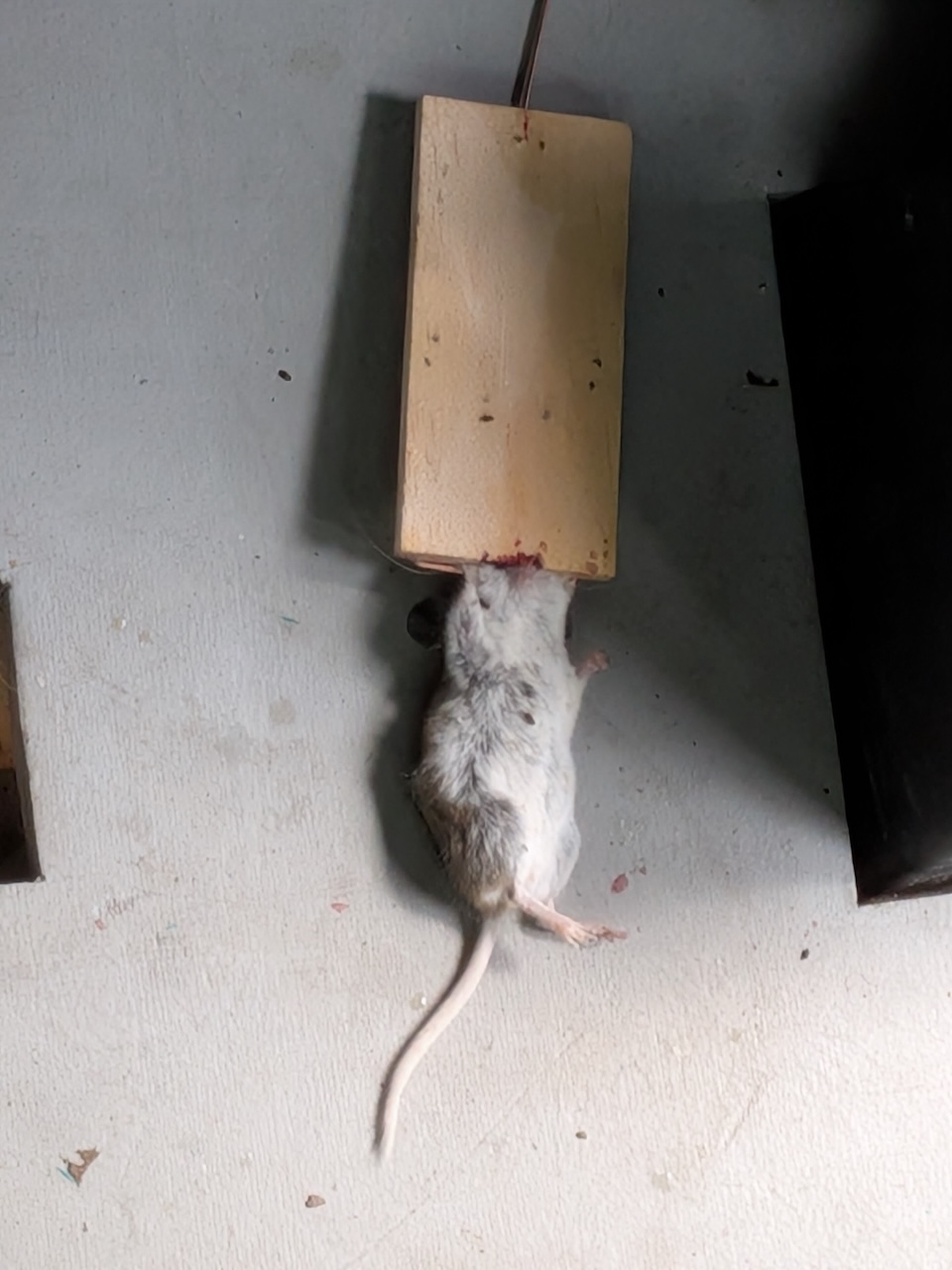
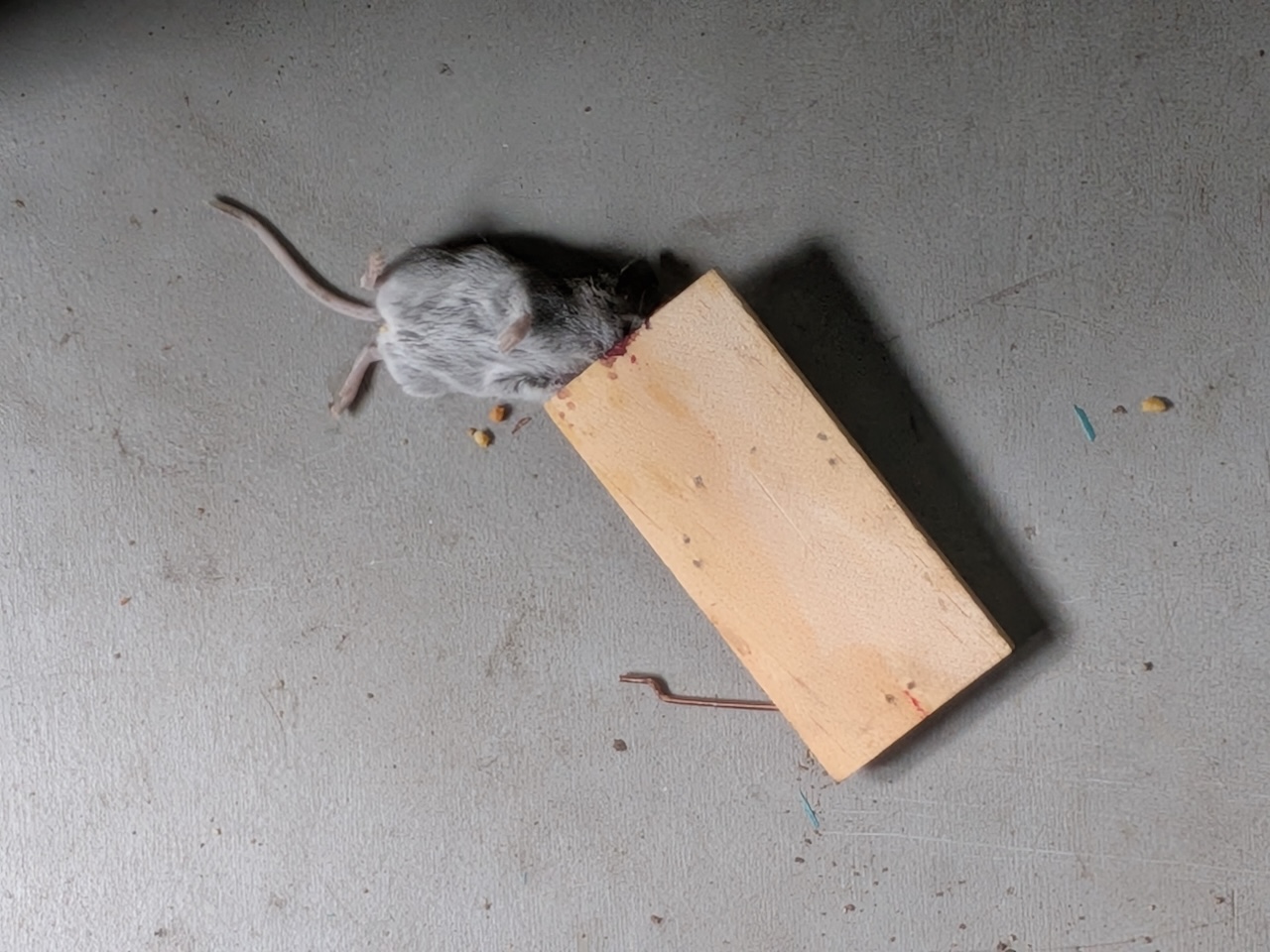
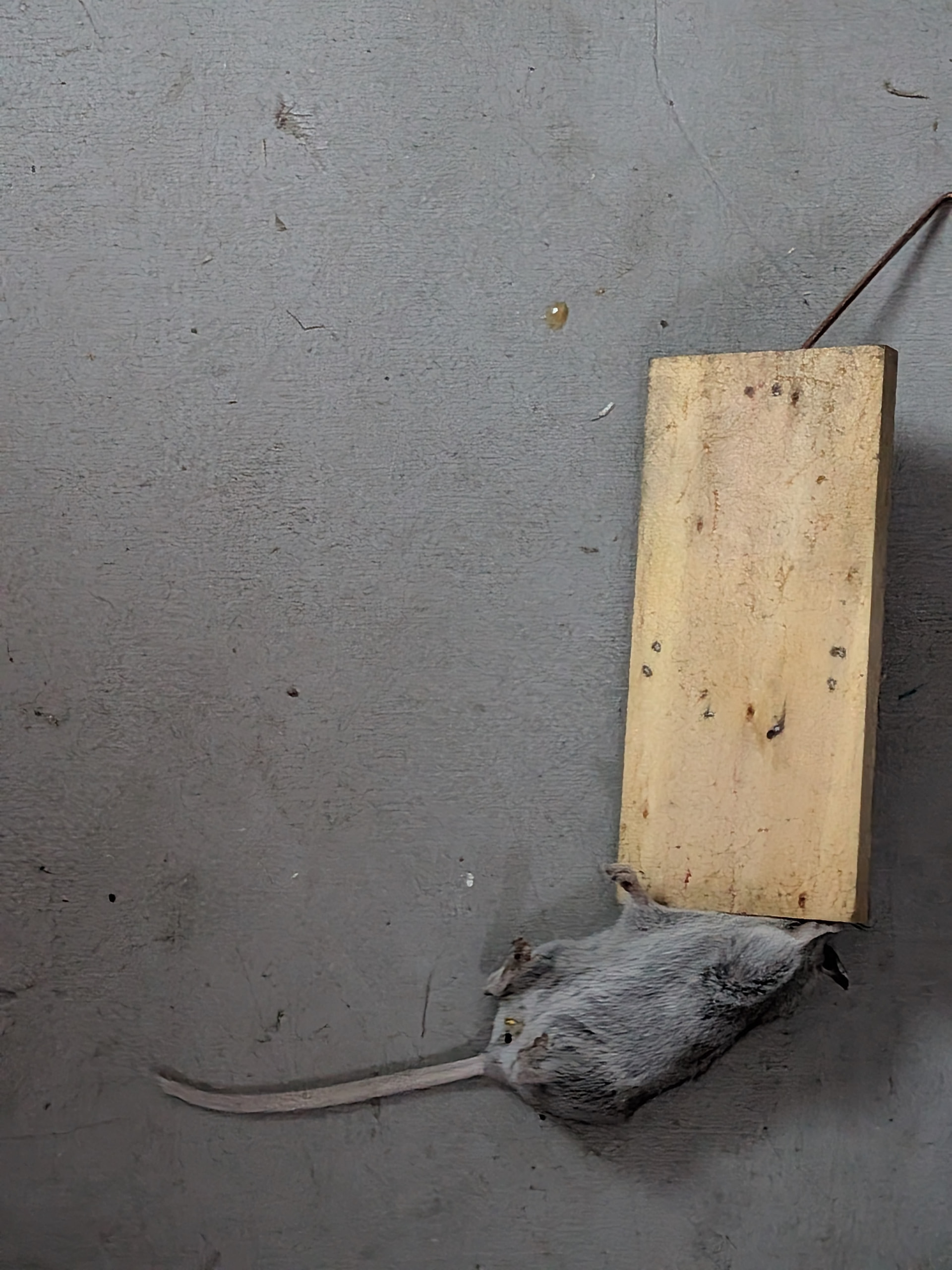
Five key points:
- Win before you fight
The best victory comes from planning, positioning, and strategy before conflict starts.Be well supplied, plenty of traps, use timing to your advantage, understand the battlefield. Also have supplies on hand to prevent future invasions.
- Know yourself and your opponent
If you understand your strengths, weaknesses, and the other side’s, you make better decisions.If I am in a hurry, I will not use the best technique. When I slow down and learn from each battle, things go better. For the mouse, it seems every battle is the first battle.
- Avoid unnecessary battles
The smartest leader does not fight just to prove strength. Winning without fighting is ideal.The mouse is quick, and great in tight spaces. Don’t try to defeat this enemy with speed and in tight places. Wait until you are at the advantage of open space, and when speed is not required. The little buggers have to eat constantly, and will come to you.
- Use deception and surprise
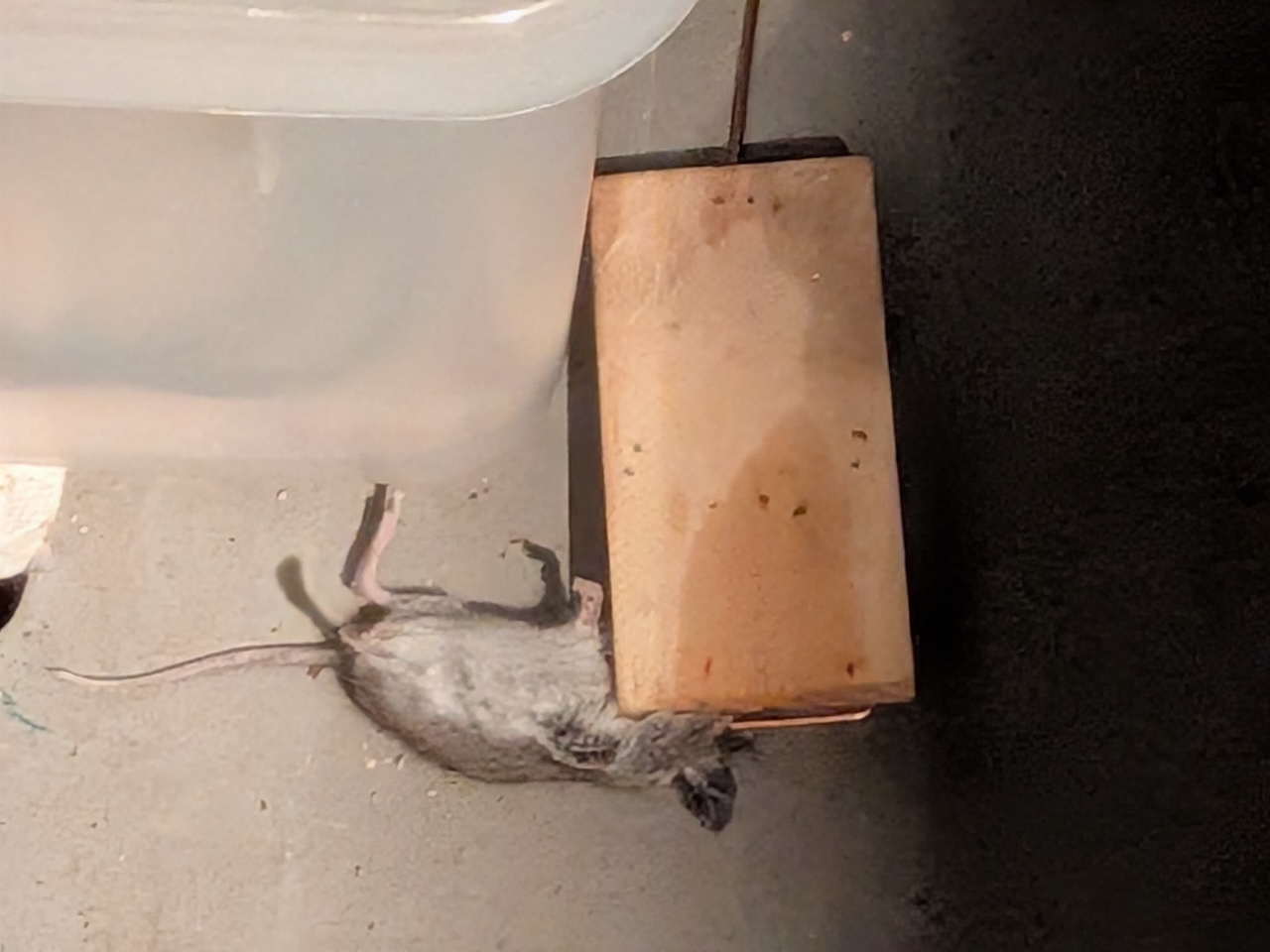
Make the opponent unsure of your real plans. Appear weak when strong, distant when near, and so on.Don’t set your traps in plain sight. The mice have been emerging from under the front seats. I place a cooler against the seats, set my trap behind, remove the cooler and step out.
- Adapt to conditions
Do not follow a fixed plan blindly. Adjust based on terrain, timing, morale, resources, and what the opponent does.From extensive use, my traps were developing a hair-trigger. After talking with a few Generals (locals) I was able to procure duplicates. I’ve also deployed a peppermint based spray near any of the entry points, and I will only do this when it is dry and conditions are proper.
In plain terms: prepare well, understand people (and mice), pick your battles, stay flexible, and don’t waste energy proving a point.
Prevent the next invasion, win the war before it starts
- Fill a small empty spray bottle with something mice will avoid, peppermint
- Peppermint extract can be found in the grocery store baking isle. Two tablespoons in a cup of water with a splash of vinegar. A 1oz bottle has 6 tablespoons and will go a long way, and cost about $3.50.
- Spray inside the vehicle wheel wells, engine firewall, any potential mouse entry point
- Repeat the process after relocating to a new campsite or at minimum weekly
A few more pointers
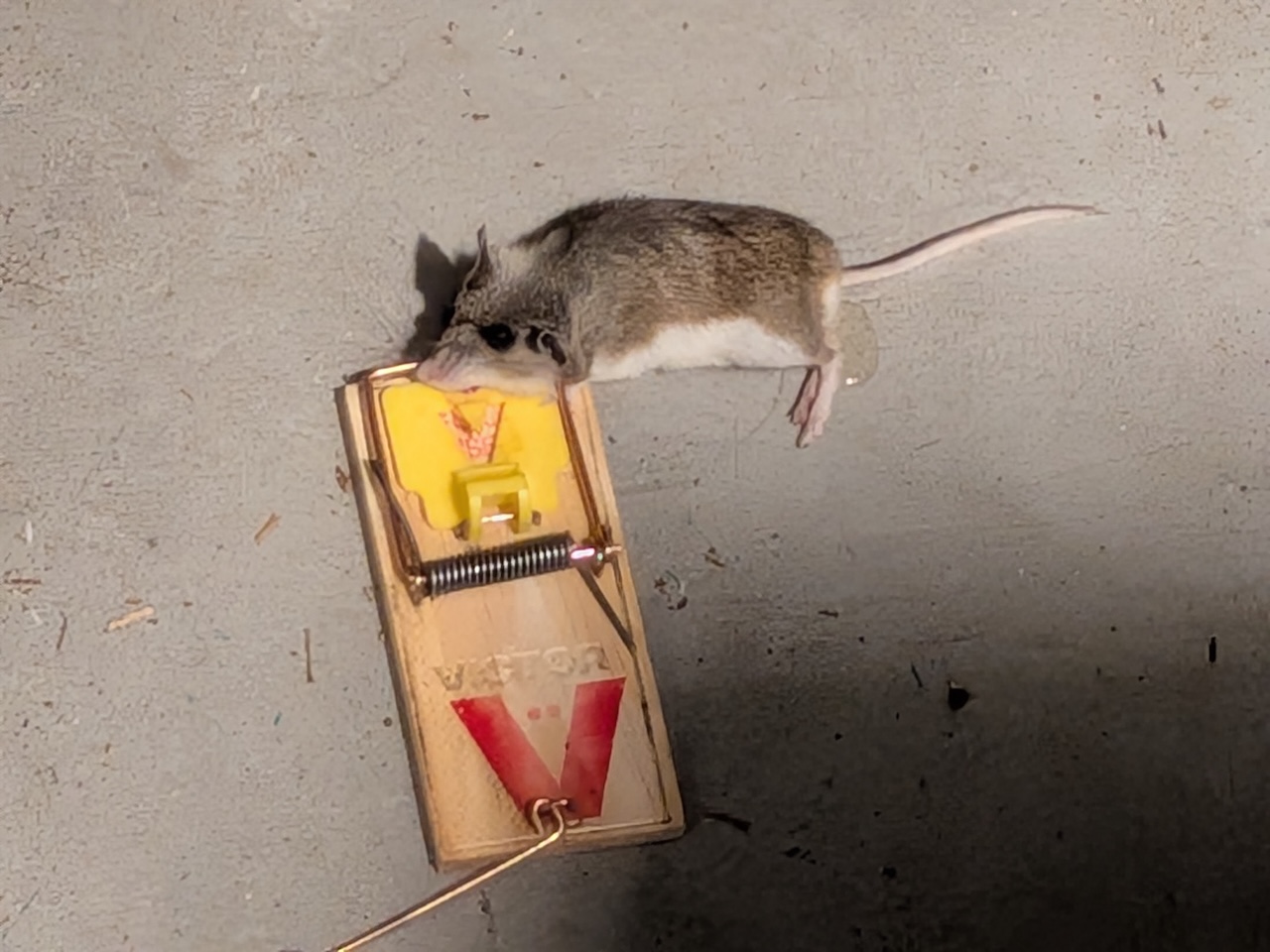
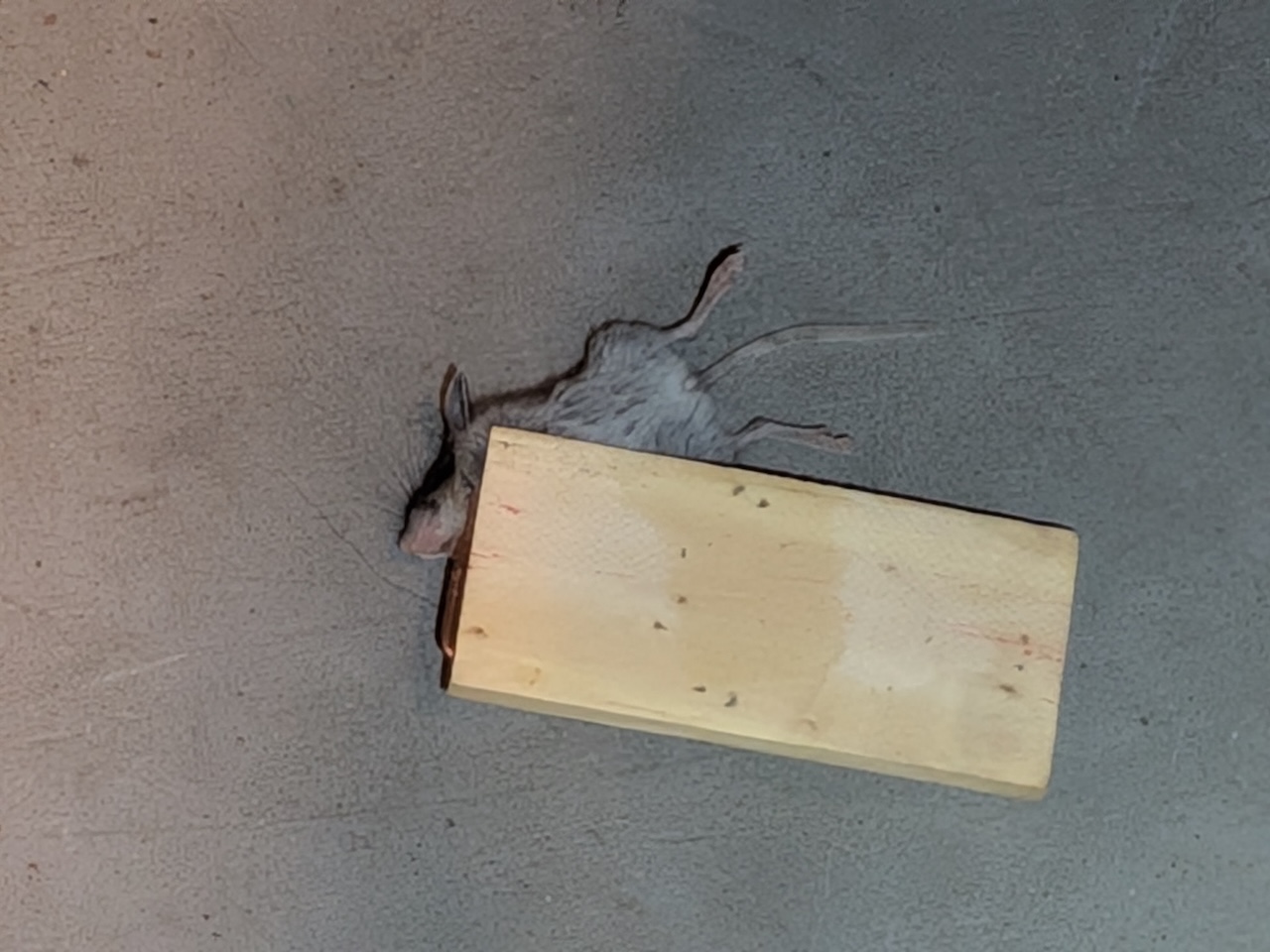
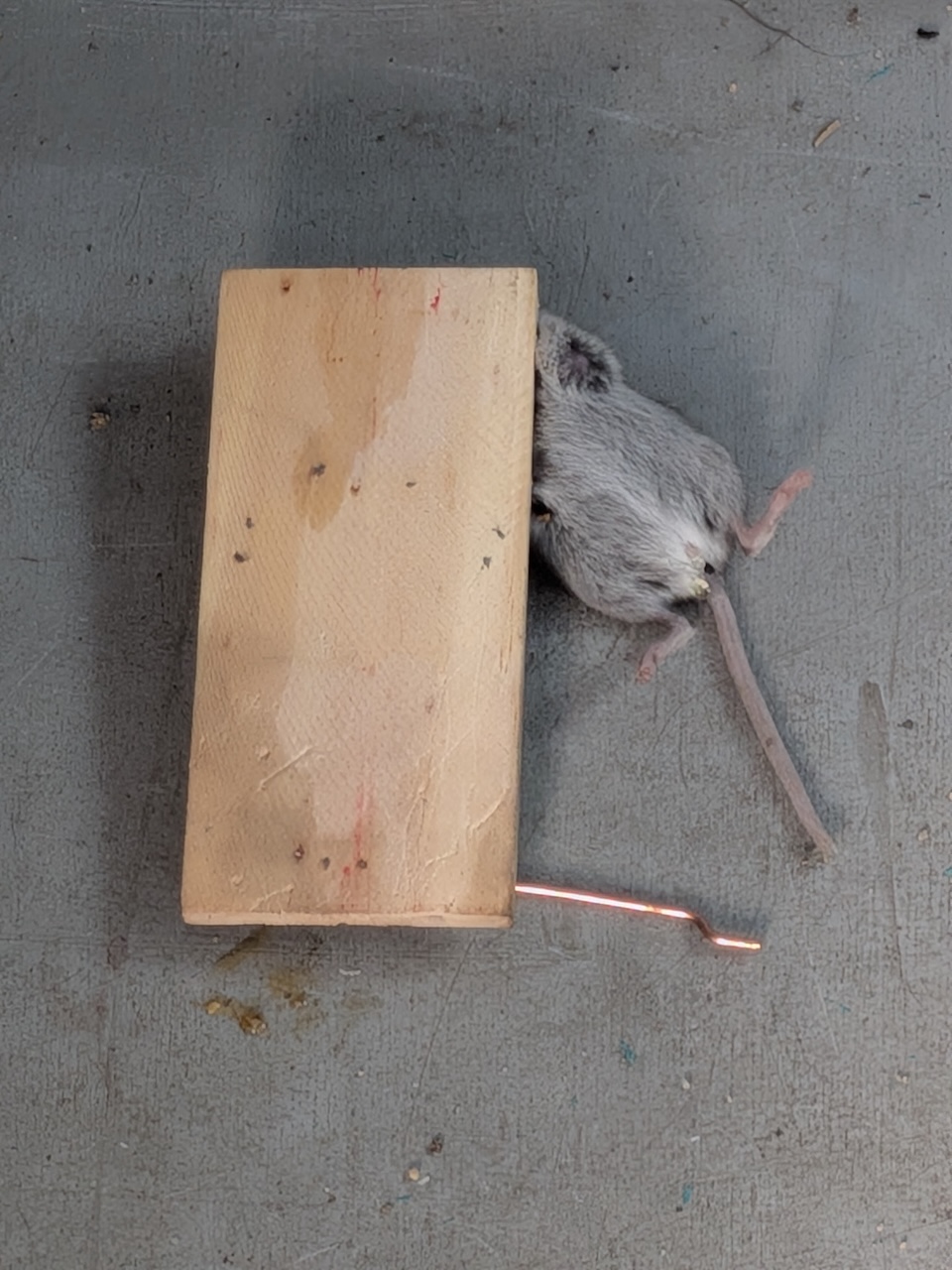
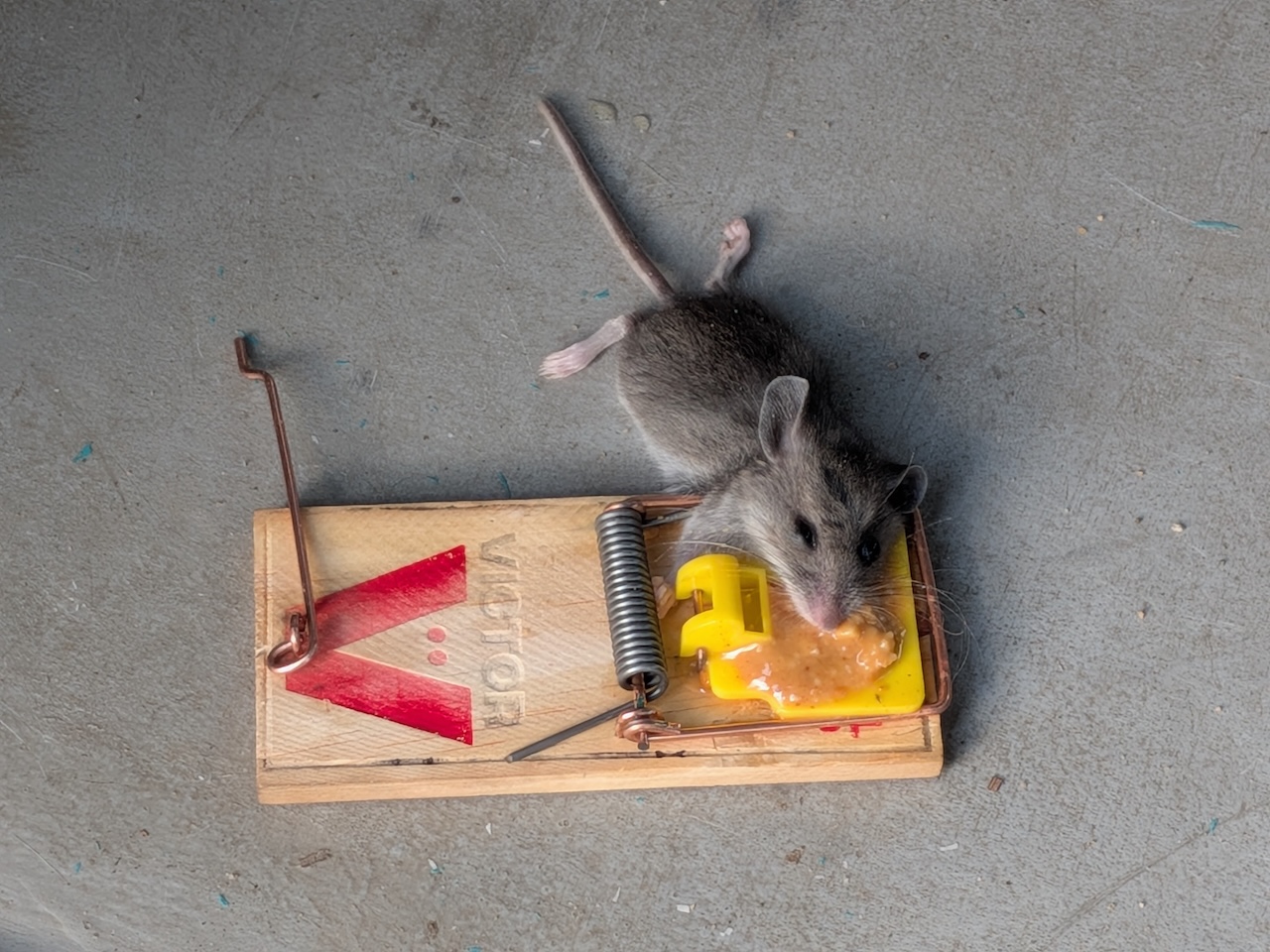
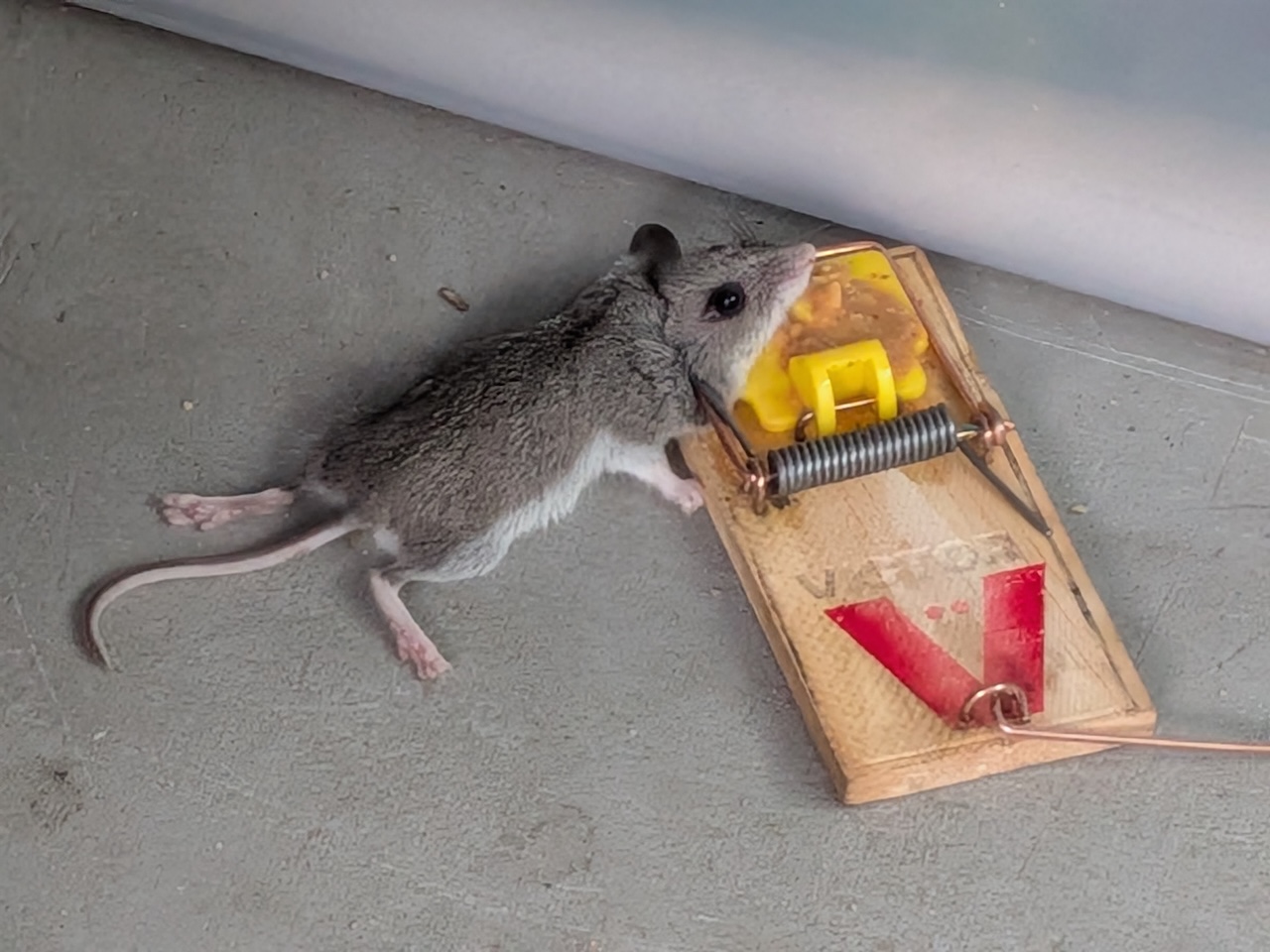
- Old-school spring loaded mouse traps seem to work best. They offer a fast, humane death and re reusable. Use gloves and a screwdriver to release the dead mouse. After a few times this is not so difficult to do.
- Setting the traps takes nerve. Moving a trap after it is set is just inviting excitement that you probably don’t need.
- Bait the trap, but don’t load the spring just yet.
- Position it were you want it. If it is on the floor, leave room such that you can lay prone in front of the trap.
- If it is on the floor, lay braced on your elbows to minimize movements.
- Set the spring with one hand while you position the trigger wire with the other hand.
- Slowly put stress on the trigger. No fingers are in the path of the trap.
- Gradually and smoothly release the trigger hand then the spring hand.
- Use what you have for bait, peanut butter seems to work well
- If your trap gets cleaned out with out tripping, make the eating task more difficult by wrapping floss filiment or thread around and through the peanut butter
- The traps they sell at Ace Hardware cost three times as much as the same traps you can buy at the discount stores.
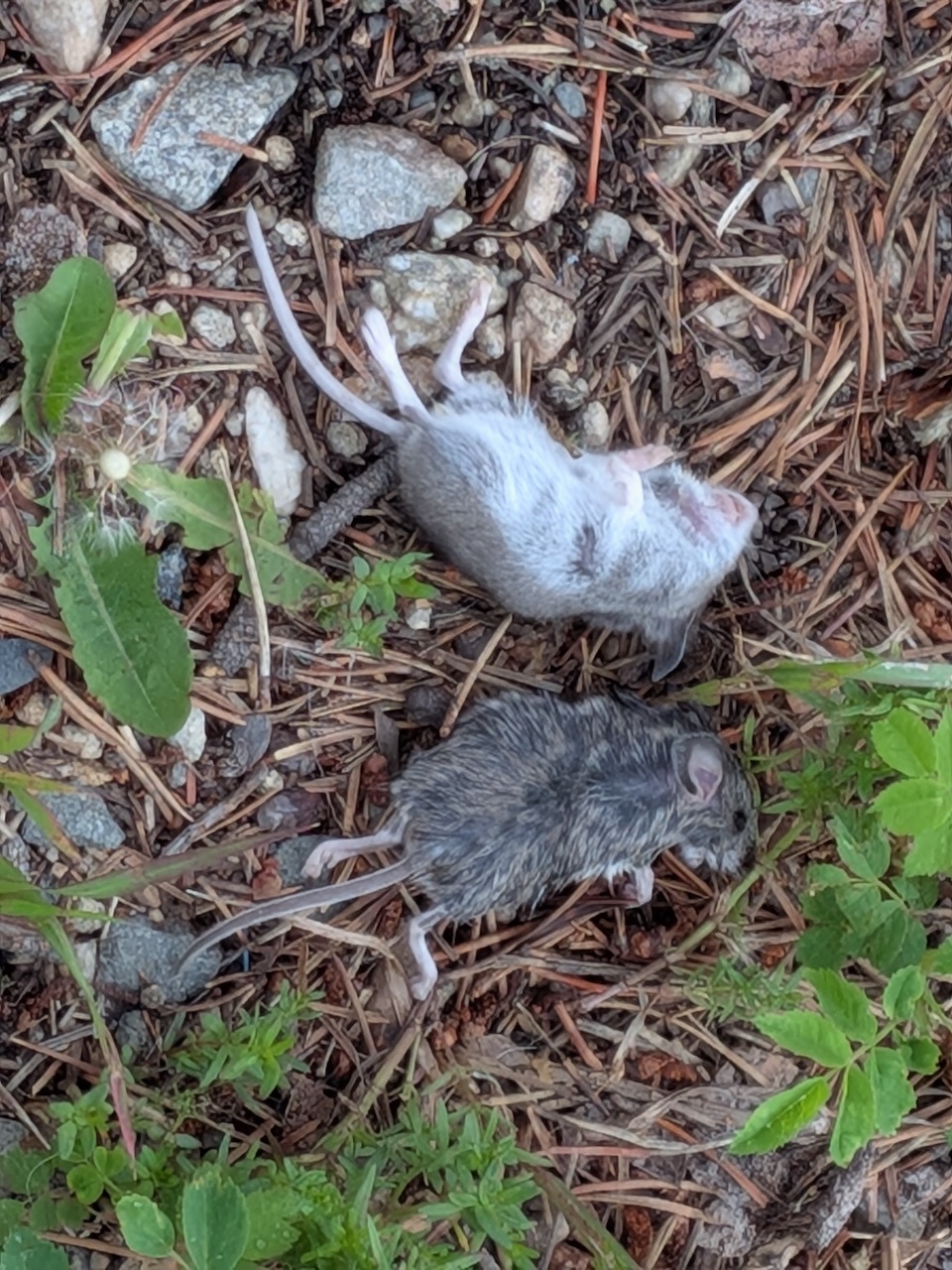
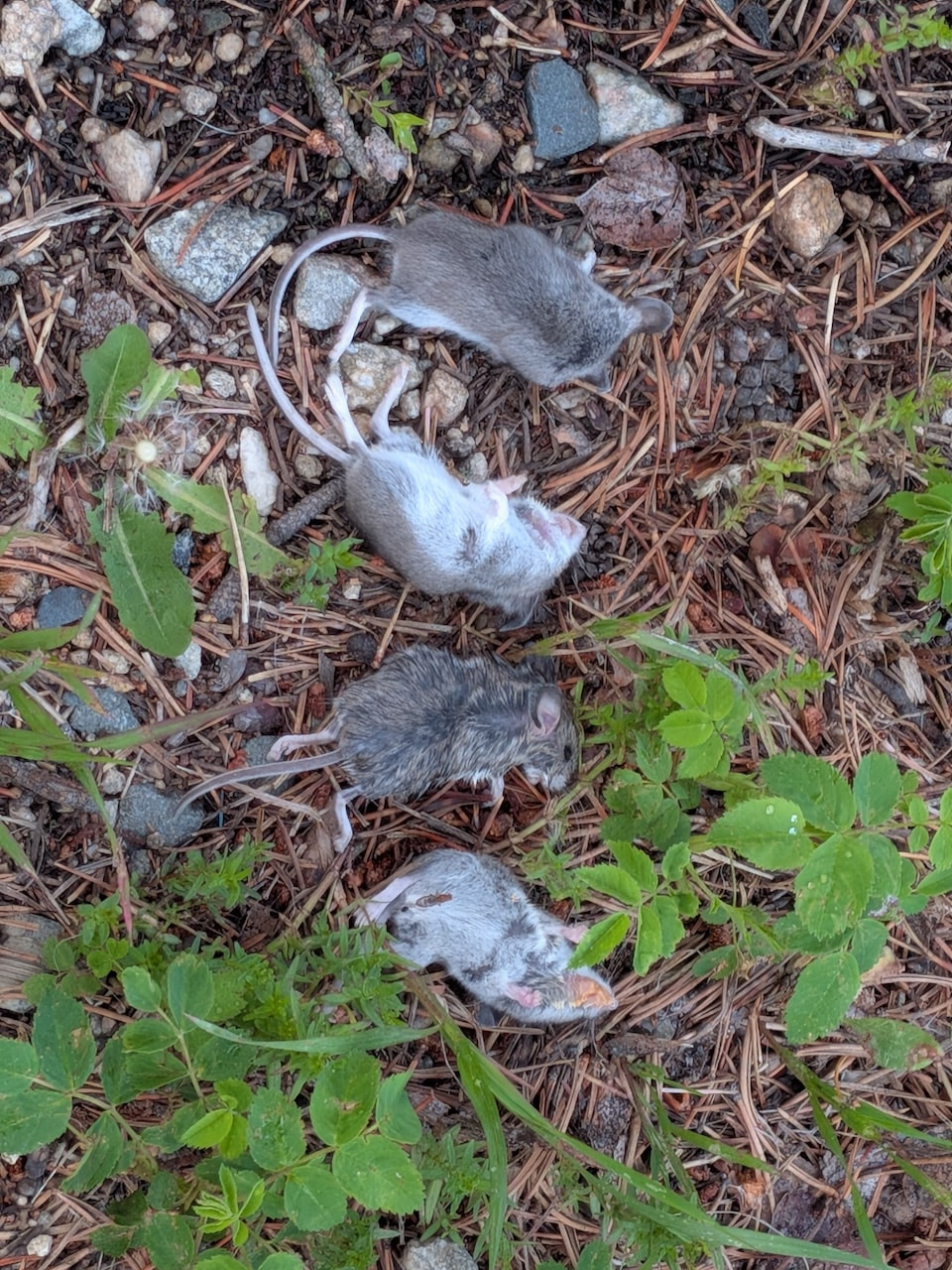
After a few sleepless nights, all tactics are on the table including Rodent Psychological Warfare. As much as I would like to put the dead mice on pikes in front of my campsite, they would be way in the air and would not have the desired effect on the enemy on the ground.
The Book: Sun Tzu and the Art of War
(Amazon affiliate link, I may make a few cents off this but you will thank me later)
It is a good book, and easy read, and good tactics and strategy for many things in life, including war with mice.